
Wheels of Defense
Safety. Confidence. Power — from exactly where you are.
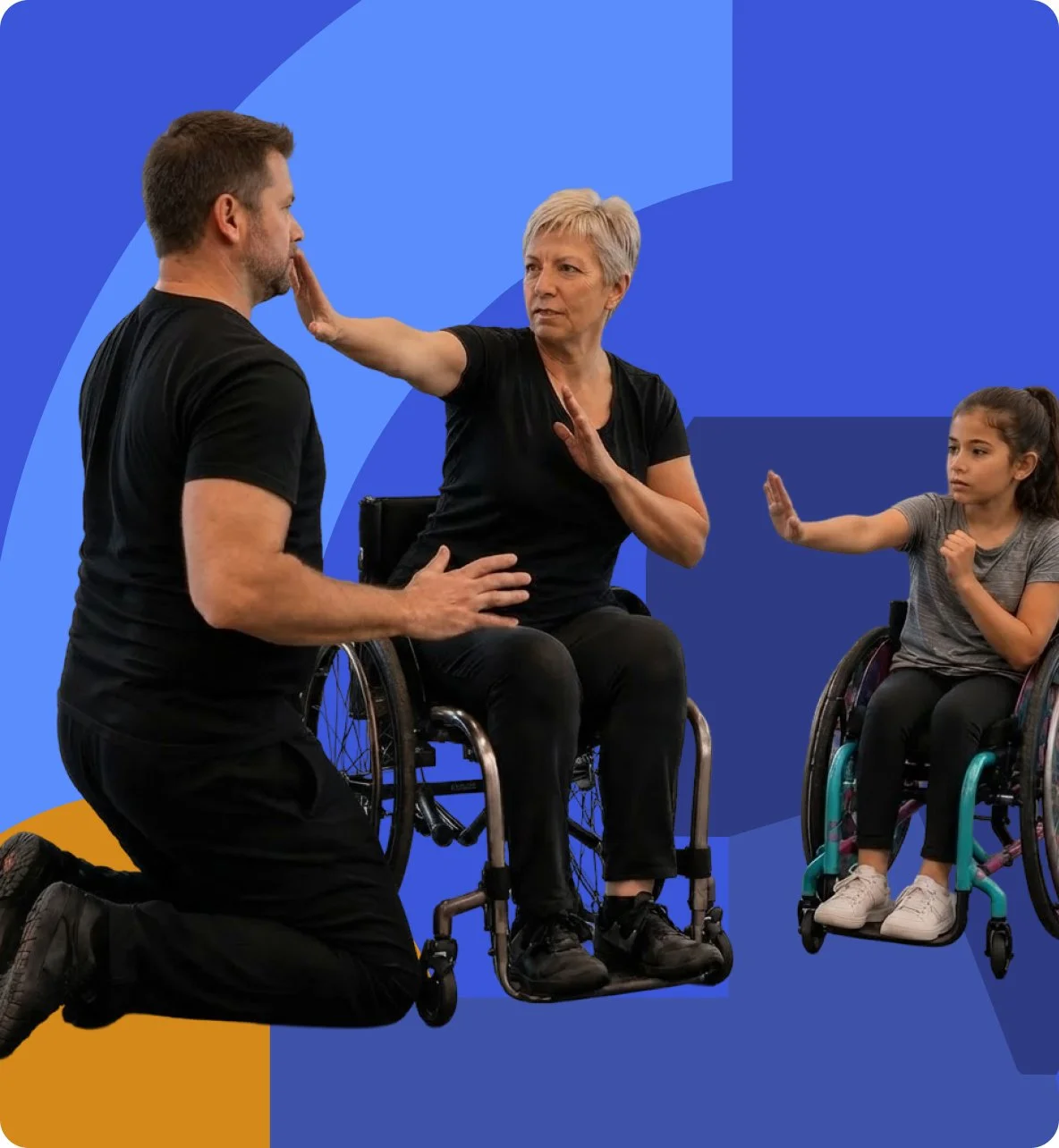
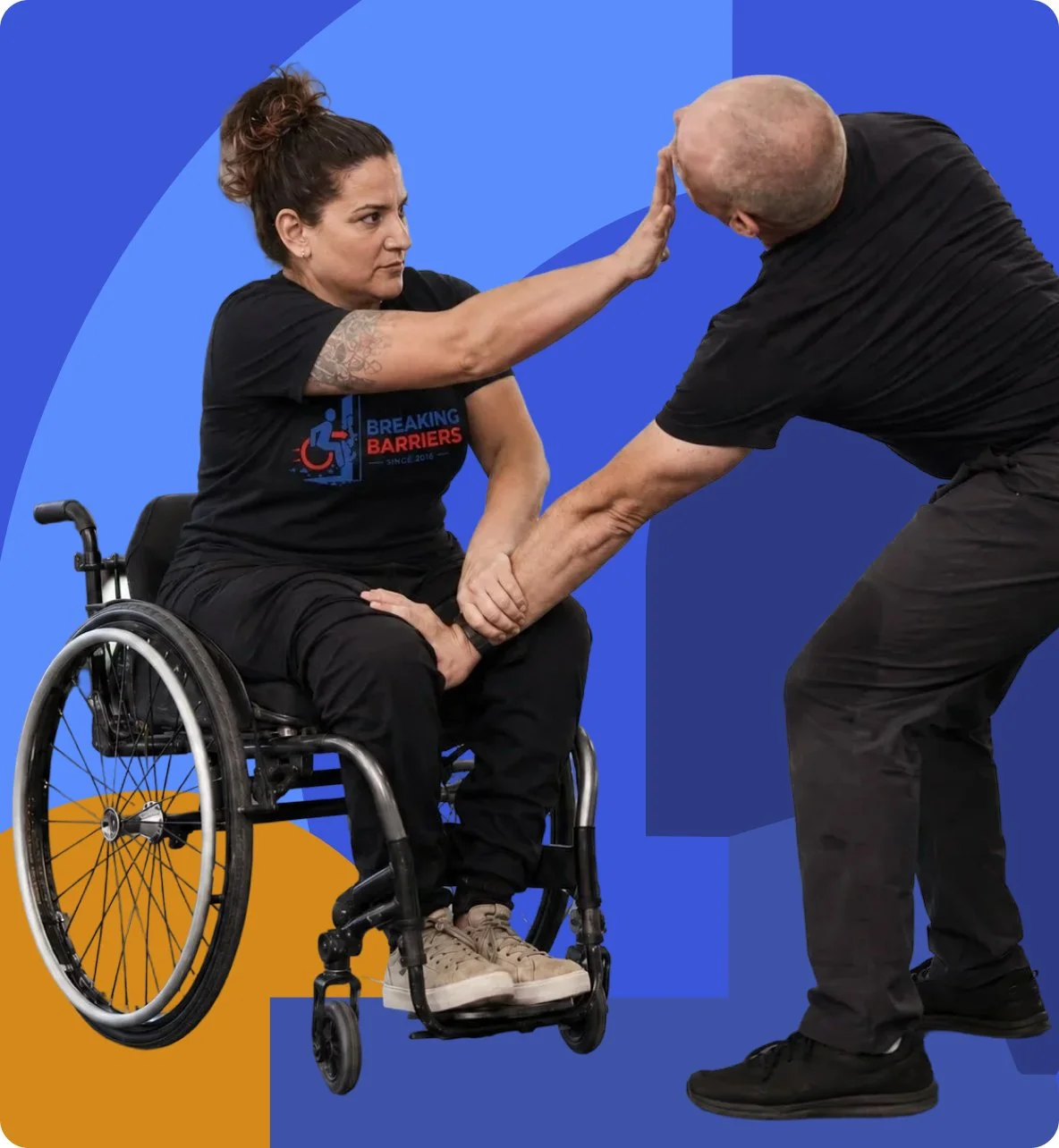
Wheels of Defense is a disability-led safety and self-defense program built specifically for women with physical disabilities. Whether you use a wheelchair, walker, cane, or scooter — this program was made for you.
Schedule
TBD
Instructor
TBD
-
As this initiative is updated, Wheels of Defense will include:
Accessible self-defense workshops (virtual)
Boundary-setting and personal safety education
Safety planning for wheelchair users and people with mobility limitations
Training on harassment, unwanted touching, and unsafe situations
Caregiver and family education
Community safety conversations
Partnerships with safety, disability, and trauma-informed experts
-
Wheels of Defense is designed for women with disabilities, wheelchair users, people with mobility limitations, seniors, caregivers, families, and organizations serving the disability community.
-
Although we do not require participants to present permission from their provider, your comfort and safety are our top priorities. You must review and agree to the waiver before you join our classes. We strongly encourage participants of our classes to check with your medical provider before beginning any new physical activities to ensure they match your needs and capabilities.
The Problem We’re Solving
Women with Disabilities Are Too Often Left Out of the Safety Conversation
Women with physical disabilities face serious, documented risks — and most self-defense programs act like we don't exist.
Traditional self-defense assumes you can stand, run, move quickly, and escape without barriers. For women who use wheelchairs, walkers, canes, or scooters, those assumptions aren't just unrealistic. They're dangerous. Wheels of Defense is not a program built on the idea that you should be afraid. It's a program built on the belief that you deserve dignity, autonomy, and the tools to protect yourself on your terms.
Here's what the research tells us:
Women with disabilities are at significantly greater risk of rape than women without disabilities. An estimated 39% of female rape victims had a disability at the time of the assault. (CDC)
40% of physically disabled women have been sexually assaulted. (Archives of Physical Medicine and Rehabilitation)
People with disabilities account for 26% of all nonfatal violent crime victims — while making up only about 12% of the population. (Bureau of Justice Statistics)
The violent victimization rate for people with disabilities is nearly 4 times the rate of people without disabilities. (BJS)
Women with disabilities are more likely than women without disabilities to experience intimate partner violence — including rape, physical violence, stalking, psychological abuse, and reproductive control. (CDC)
Women with disabilities also face a unique risk that most women don't: abuse from the people who provide their care. A caregiver, family member, or personal attendant can withhold medication, mobility devices, food, or daily support as tools of control.
35 million women in the United States report having a disability. That's tens of millions of women who deserve safety tools, strategies, and resources designed for their real lives.
The Video Series
Introducing the Wheels of Defense Video Series
Because every woman with a disability deserves access to this — for free.
We're building something big. Wheels of Defense is launching as a professional video series — short, high-quality educational videos designed to reach women with disabilities wherever they are.
Episode 1 is here. We just filmed it — and it does not hold back.
Learn Live — Free Virtual Safety Trainings for Women with Disabilities
In addition to the video series, Wheels of Defense offers free virtual safety trainings taught by certified self-defense educators. These aren't combat classes. They're practical, accessible sessions focused on confidence, preparedness, voice, boundaries, and real-world strategies.